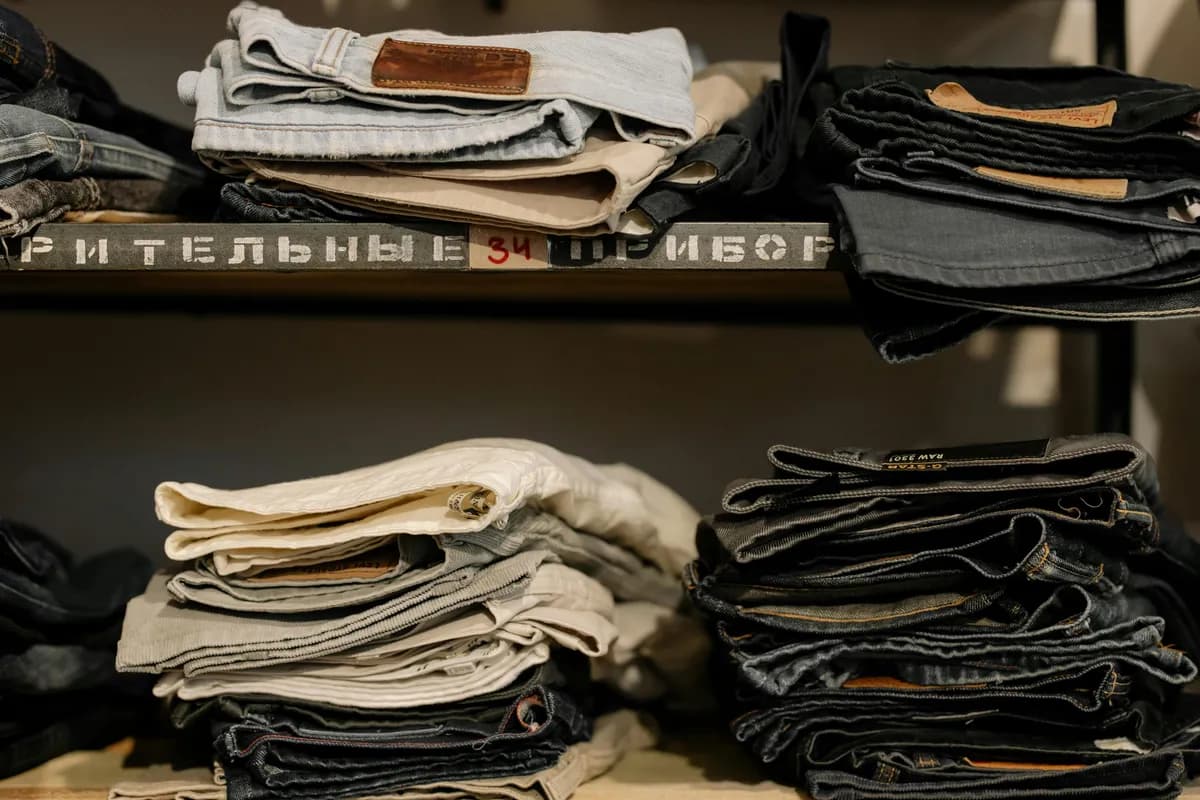
Retailers in Los Angeles, California, need to know how sales tax applies to clothing. That’s how they follow state sales tax rules. The Los Angeles sales tax on clothing is made up of the California state sales tax, local sales tax, and district taxes. Together they make up the total sales tax rate that businesses must collect and remit (pay over).
The sales tax rates in Los Angeles are at least 9.75% (10.25% from October 1, 2026). So businesses should use a California sales tax calculator to find the right amount to charge on retail sales.
The economic nexus threshold also affects how out-of-state businesses handle Los Angeles sales tax on clothing. (Economic nexus means you owe a state’s tax once your sales there pass a set level.) Retailers, including remote sellers, must work out, collect, and report sales tax correctly. Knowing these rules helps businesses stay compliant, avoid penalties, and run smoothly when they sell tangible personal property (physical goods) at retail in Los Angeles.
For the current combined rate and the rate in every Los Angeles ZIP code, see the Los Angeles sales tax rate page.
Understanding Clothing Sales Tax for Businesses in Los Angeles, CA
In Los Angeles, sales tax on clothing combines the California state rate, local sales tax, and district taxes. The California Department of Tax and Fee Administration (CDTFA) runs sales tax for the whole state, including Los Angeles. It handles seller's permits, sales tax returns, and rate information.
Retailers, including remote sellers, need the right rate for each sale. They also need to know when use tax applies. (Use tax is owed on taxable goods when no sales tax was paid.) Because rates depend on where the sale takes place, a sales tax calculator helps businesses apply the right one.
Is There Sales Tax in Los Angeles?
Yes. Los Angeles charges sales tax on most retail sales, including clothing and other tangible personal property. The base California sales tax is 7.25%. Extra district taxes in Los Angeles raise the combined rate to 9.75% or more (10.25% or more from October 1, 2026), depending on the area.
Remote sellers that meet the economic nexus threshold must also collect this tax on sales to customers in the city.
Is Clothing Exempt from Sales Tax in Los Angeles, CA?
No. Clothing is not exempt from sales tax in Los Angeles, California. Some states exclude basic apparel from tax. California sales tax applies to tangible personal property, including retail sales of clothing and accessories. So businesses must collect the full Los Angeles rate, including state, local, and district taxes.
This is true for remote sellers that meet economic nexus thresholds, even if they have no physical presence in the city. Some sales are not taxed, such as sales for resale backed by a valid resale certificate. But most retail clothing sales are still subject to Los Angeles sales tax. Retailers should check all exemption claims to avoid errors.
Is Clothing Taxable in Los Angeles?
Yes. Clothing is taxable in Los Angeles, California. Retailers must apply the combined state, local, and district rate when they sell apparel and accessories. Keep proper records of taxable and exempt sales. That is key to avoiding penalties and filing smoothly with the CDTFA.
What Does Sales Tax on Clothing Mean for Retailers in Los Angeles, CA?
For retailers in Los Angeles, collecting and remitting sales tax on clothing is a core part of running a compliant business. Failing to collect and report sales tax properly can lead to penalties and fines. So businesses must keep up with rate changes and keep accurate financial records.
Key Rules Businesses Must Know About Sales Tax on Clothing in Los Angeles
Retailers that sell clothing in Los Angeles must follow these sales tax rules:
Taxable Items: Clothing, accessories, and most other tangible personal property are subject to sales tax.
Sales Tax Registration: Businesses must get a seller's permit from the CDTFA before they collect sales tax.
Tax Rates: The sales tax rate depends on the area and starts at 9.75% (10.25% from October 1, 2026).
Sales Tax Returns: Businesses must file sales tax returns with the CDTFA.
How Exemptions Impact Retailers and Their Sales Tax Collection
Clothing is generally taxable in Los Angeles. But some sales are exempt, such as purchases for resale made with a valid resale certificate. Retailers must apply exemptions correctly and keep proper records for the sales tax returns they send to the CDTFA.
Businesses that apply exemptions wrongly or don’t keep proper records can face audits and penalties. So retailers that sell apparel and accessories must:
- Track exempt sales carefully.
- Keep exemption paperwork on file.
- Report all taxable and non-taxable sales correctly on their sales tax returns.
What Items Are Not Taxed in Los Angeles, CA?
Clothing is taxable. But some tangible personal property is exempt from sales tax in Los Angeles, CA:
Groceries: Most unprepared food is tax-exempt.
Prescription Medications: Tax-free under California sales tax law.
Medical Devices: Some assistive medical equipment qualifies for exemptions.
Resale Purchases: Businesses can buy stock for resale tax-free by giving the seller a valid resale certificate.
For more details, see the CDTFA tax rates page.
Kintsugi Simplifies Clothing Sales Tax in Los Angeles, California
Managing the Los Angeles sales tax on clothing can take a lot of time and effort for retailers. Sales tax rates change, exemption rules apply, and you must follow state and local sales tax rules.
Kintsugi offers an all-in-one solution. It makes sales tax registration and sales tax returns simpler. Kintsugi automates tax math, so businesses charge the right rate on retail sales of clothing, accessories, and other tangible personal property across Los Angeles.
A business might sell in a store, online, or as a remote seller under economic nexus rules. In each case, Kintsugi’s platform helps retailers track sales, apply use tax when needed, and simplify exemption paperwork. Kintsugi automates reporting and keeps sales tax returns accurate. That helps businesses cut errors, avoid penalties, and save money.