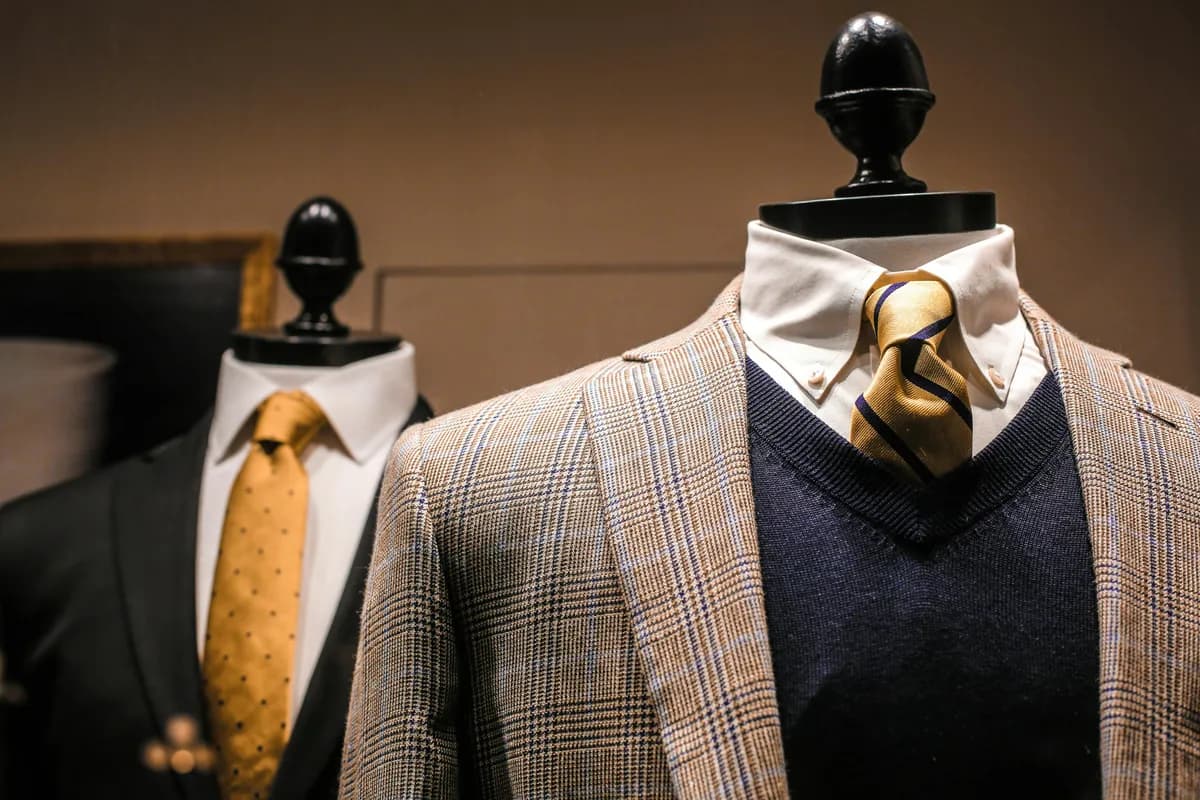
If you run a store in Utah, you need to know the clothing tax rules. That’s how you follow state tax laws and manage costs well. Utah’s rules on sales tax on clothing include a base state sales tax of 4.85%. Local taxes are added depending on the location. These rules treat most clothing and related items as taxable. So businesses must collect and remit (pay over) taxes properly.
But certain Utah tax exemptions on clothing, such as items bought for resale, can greatly lower the tax you owe. Apply Utah sales tax rates to clothing correctly. Record sales exemptions with tools like the tax exemption certificate (Form TC-721). Then businesses can stay compliant and run smoothly. For more details, visit the Utah State Tax Commission.
What is Utah Sales Tax on Clothing?
Utah charges sales tax on clothing at a base state sales tax rate of 4.85%. Local taxes can raise the total rate, depending on where the sale takes place. So businesses need to understand Utah clothing tax rules. All clothing and related items that are taxable must be taxed correctly at the point of sale. To find the total for an address, use the Utah sales tax calculator.
Retailers must think about more than the state’s rates. They must also consider local taxes and understand nexus (the link to a place that makes you owe its tax). Both can raise the total amount the customer owes. But some sales, such as goods bought for resale, may qualify for Utah tax exemptions on clothing. The buyer must give a valid tax exemption certificate (Form TC-721).
Businesses must charge the right rates and record exempt sales correctly. That’s how they meet state tax rules. For more on tax rates and how they apply to clothing sales, visit the Utah State Tax Commission.
Is Clothing Taxed in Utah?
Yes. Clothing is generally taxed in Utah. It counts as a taxable item under the state’s sales tax on clothing.
Retailers must charge the state sales tax of 4.85%, plus any local taxes, on all clothing sales. The only exception is when the sale qualifies for an exemption. For example, items bought for resale are not subject to Utah sales tax. The buyer must hand in a valid Utah tax exemption certificate (Form TC-721) at the time of purchase.
Knowing Utah clothing tax rules is key to staying compliant and avoiding penalties. Businesses must also keep up with changes to Utah sales tax law. That helps them handle sales of taxable and exempt items properly. By keeping accurate records of sales and exemptions, retailers can meet their duties under state tax rules and manage costs well. You can find more on taxable clothing and exemptions on the Utah State Tax Commission website.
How Businesses Can Stay Compliant with Utah Sales Tax on Clothing
To stay compliant with Utah clothing tax rules, businesses need a full approach to managing the sales tax on clothing. That includes related services. Retailers must apply the state sales tax rate of 4.85% and any local taxes to all taxable clothing sales.
It’s just as important to understand Utah tax exemptions on clothing, such as items bought for resale. To record these exemptions, businesses should make sure customers give a valid Utah tax exemption certificate (Form TC-721) at the time of the sale. Businesses must also watch their economic nexus in Utah. If out-of-state sales pass certain thresholds, you may have to collect tax.
To comply with Utah sales tax, businesses should:
- Invest in reliable point-of-sale systems.
- Keep accurate records of all taxable and exempt sales.
- Keep up with updates to Utah's sales tax rules.
These steps help businesses avoid penalties and stay in good standing with the state tax commission. For more resources, visit the Utah State Tax Commission.
How Clothing is Classified Under Utah Tax Laws
Under Utah clothing tax rules, clothing means garments made to be worn on the body. These items are usually taxable under Utah's sales tax rules. This group covers a wide range of items. Examples are shirts, pants, dresses, outerwear like jackets and coats, and shoes, including athletic shoes.
Accessories such as belts, gloves, and scarves also count as taxable clothing. But some items might qualify for Utah tax exemptions on clothing. Goods bought for resale are one example, as long as a valid tax exemption certificate (Form TC-721) is used at the time of purchase.
Retailers must sort items correctly. Then they can apply the right state sales tax rate for clothing and related services. They must also record exemptions properly to manage their sales tax nexus well. Sorting items wrongly can lead to errors in collecting sales tax and to penalties. So following Utah's sales tax laws is critical for businesses. For more on how clothing is classified and what tax rules apply, visit the Utah State Tax Commission.
Taxable vs. Non-Taxable Clothing Items
Retailers need to know which clothing items are taxable and which are not. That’s how they follow Utah clothing tax rules, especially when nexus affects their sales tax duties.
Most clothing, accessories, and services tied to clothing sales are subject to sales tax. But certain exemptions may apply in specific cases. These exemptions, such as items bought for resale, must be properly recorded with a valid Utah tax exemption certificate (Form TC-721). That keeps you in line with state tax rules.
Here is a breakdown of taxable and non-taxable clothing items to help businesses apply the right Utah sales tax rates to clothing:
Taxable Clothing Items:
Standard apparel such as shirts, pants, and dresses is taxable, at the combined state and local rate for the location.
Footwear, including athletic shoes and boots, is taxable.
Accessories like hats, belts, gloves, and scarves are taxable.
Formalwear, including suits and gowns, is taxable.
Non-Taxable Clothing Items:
Items bought for resale, backed by a valid Utah tax exemption certificate, may be exempt from sales tax.
Retailers must sort items carefully. They must also keep accurate records of sales and services to meet Utah sales tax rules for businesses. And they should understand how nexus could affect their duties. For more on what counts as taxable or exempt, visit the Utah State Tax Commission.
What Isn't Taxed in Utah?
Most goods in Utah, including clothing, are generally subject to Utah sales tax. But some items are exempt under tax exemptions and other state rules. For example, prescription drugs, some medical devices, and groceries are not subject to the full state sales tax. They are often taxed at a lower rate or fully exempt.
Goods bought for resale are another group exempt from Utah sales tax. The buyer must show a valid tax exemption certificate (Form TC-721) at the time of the sale. Some sales to qualifying nonprofits may also be exempt.
Businesses must understand these exemptions and record qualifying sales properly. That keeps them in line with Utah clothing tax rules and other state tax rules. It also links their accounting to their legal duties. Accurate records and knowing the rules for exemptions help retailers handle taxable and exempt sales correctly. For more details, visit the Utah State Tax Commission.
Record-Keeping Best Practices for Retailers
Keeping accurate records is key for retailers. It helps them comply with Utah sales tax and manage the state’s clothing tax rules well. Good record-keeping means recording all taxable and exempt sales. It also means keeping copies of valid Utah tax exemption certificates (Form TC-721) for qualifying sales.
Retailers should invest in reliable point-of-sale systems. These systems automate tracking of Utah sales tax rates, exemptions, and nexus across different tax duties. That simplifies their services and lowers the risk of errors when they collect and remit tax. Regular internal reviews of records can help spot errors and keep you in line with state sales tax rules.
Detailed records are vital if the state sales tax commission audits you. They give the proof you need to back up exemptions or show you applied sales tax correctly. Stay organized and use digital tools. Then businesses can simplify their work and meet all duties tied to sales tax on clothing in Utah. For more guidance on record-keeping and compliance, visit the Utah State Tax Commission.
How Much is Utah Sales Tax?
The state sales tax rate in Utah is 4.85%. But local taxes can raise the total rate in some places. Depending on where the sale takes place, the combined rate ranges from 6.35% to 10.05%, according to the Utah State Tax Commission's combined rate chart for October 2026. Most locations fall between 6.35% and 8%. For retailers handling sales tax on clothing in Utah, knowing these changing rates is key to charging the right amount on taxable sales.
Some businesses have economic nexus in Utah, such as online retailers that meet sales thresholds. They must also follow local sales tax rules. That adds another layer to following Utah clothing tax rules.
Keep up with changes to state sales tax rates and use reliable systems to work out taxes correctly. That keeps you in line with Utah sales tax rules. For a full list of state and local sales tax rates, visit the Utah State Tax Commission for the latest information.
Streamline Your Clothing Sales Tax in Utah with Kintsugi
Managing sales tax on clothing in Utah can take a lot of time for businesses. This is especially true when you deal with many sales, taxable items, and Utah tax exemptions on clothing. Kintsugi offers a simpler way for retailers to handle Utah sales tax compliance for clothing and related services. With Kintsugi, businesses can:
- Automate tax math.
- Track sales exemptions.
- Keep accurate records of all taxable and exempt sales.
The platform also helps businesses manage Utah tax exemption certificates (Form TC-721). It keeps paperwork in order and follows state tax rules. Kintsugi’s tools are built to handle local tax differences. They also help businesses that meet economic nexus thresholds in Utah stay compliant. Adding Kintsugi to your operations can save time and cut paperwork. You can focus on growing your business while you meet all duties under Utah clothing tax rules.
Related resource: For current rates, nexus thresholds, filing deadlines, and FAQs, see Kintsugi's Utah Sales Tax Guide.