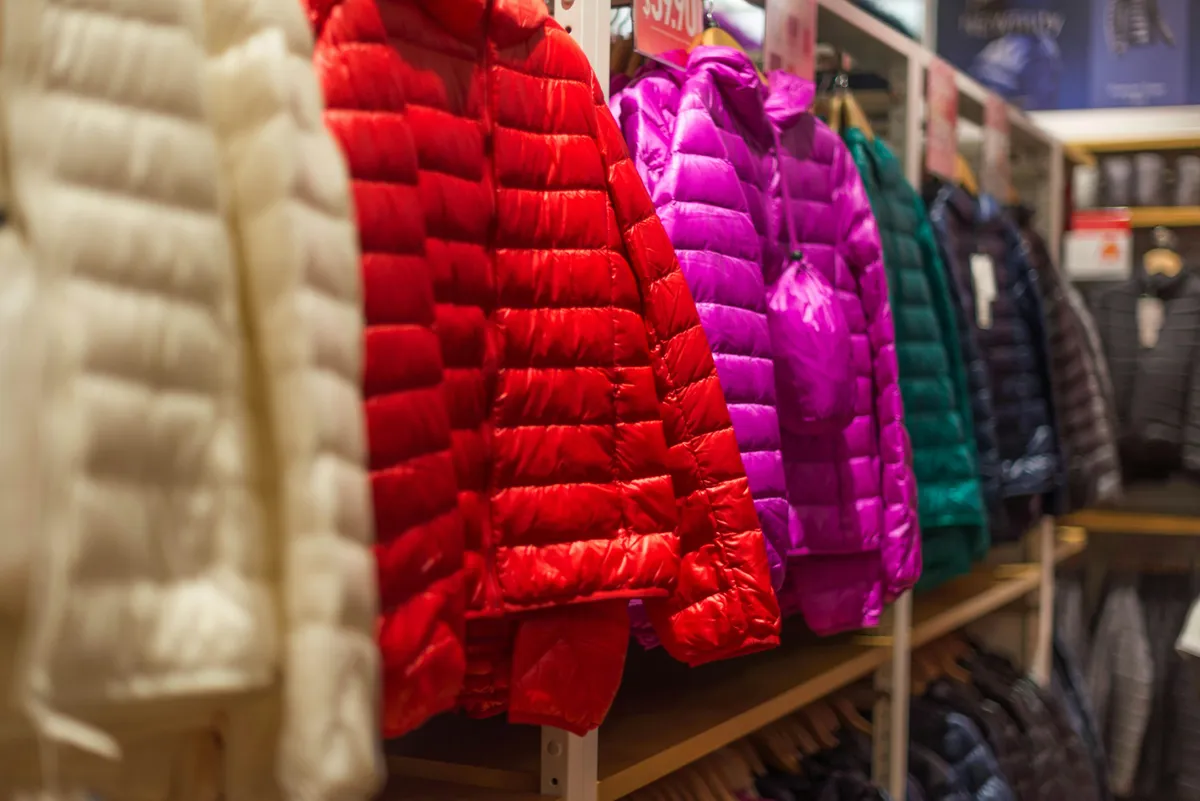
Montana is one of the few states with no general sales tax. That keeps costs low and makes it a good place to shop. In states such as Connecticut, Rhode Island, and New York, clothing tax rules can add to the cost. Montana, by contrast, offers big savings for shoppers and businesses alike. For retailers, there is no state tax to collect on apparel. So they don’t need a state sales tax permit for clothing sales or have to track which clothing items are taxable.
Shoppers pay no state tax on clothing, shoes, or protective clothing. That lets them save a lot on everyday items. But businesses still need to know about Montana’s selective taxes, such as those on lodging and rental cars. They should also know about the local resort taxes that some resort communities charge.
That’s how they stay compliant with Montana’s tax rules. Learn how clothing is treated in Montana and use the state’s friendly tax laws. Then both businesses and shoppers can make the most of this unique retail market.
Overview of Sales Tax on Clothing in Montana
Montana is known for having no general sales tax. That gives shoppers and businesses big advantages. In states such as Connecticut, Rhode Island, and New York, clothing tax rules often add costs. Montana keeps most retail purchases free of state tax. That includes clothing, shoes, and protective clothing. So shoppers save on basic goods.
Retailers in Montana also gain. They don’t have to collect and remit (pay over) a state sales tax on clothing. Still, some transactions face selective taxes, such as lodging or rental cars. Businesses that understand these taxes can focus on growth. Meanwhile, shoppers enjoy low-cost shopping.
Does Montana Have Sales Tax on Clothing?
No. Montana does not charge a state sales tax on clothing, because it has no general sales tax. This helps both shoppers and retailers. It sets Montana apart from states such as Connecticut, Rhode Island, and New York. There, clothing tax rules often add costs for shoppers.
Businesses in Montana don’t have to manage state sales tax on apparel. That keeps their work simple and lets them focus on happy customers.
But some transactions still face selective taxes. Examples are lodging and rental cars. And a few resort communities charge a local resort tax, which can apply to luxury items sold in the resort area. Retailers in those areas should check the local rules.
Implications for Businesses Operating in Montana
Doing business in Montana gives retailers big advantages, because there is no general sales tax, including on clothing. Compliance is simpler. Businesses don’t have to collect or remit a state tax on clothing or shoes.
That makes Montana an appealing place to draw customers who want tax-free shopping. Many come from states like New York, Connecticut, and Massachusetts, where clothing tax rules often add costs to similar purchases.
But businesses must still watch for other tax duties, such as selective taxes on lodging or rental cars and local resort taxes. When they understand these rules, businesses can:
- Focus on growth.
- Stand out in the market.
- Offer competitive prices to customers.
Is There Sales Tax on Clothing in Montana?
No. Montana does not charge a state sales tax on clothing. That makes it a standout state for tax-free shopping. Shoppers save a lot, and businesses have simpler work.
In states such as Connecticut, Rhode Island, and New York, clothing tax rules often add costs or set complex thresholds. Montana has no state tax on clothing at any price. Retailers can focus on giving value and growing their customer base.
Even so, businesses should know about physical nexus and the selective taxes on other items. (Physical nexus is a tax link to a state from having a presence there.) Examples of those taxes are the ones on lodging and rental cars.
What Is Montana Retail Sales Tax?
Montana has no general retail sales tax. That sets it apart from states like New York, Massachusetts, and Connecticut, where most retail goods are taxed. With no statewide sales tax, clothing, shoes, and protective clothing are not taxed by the state.
Montana does have selective taxes on certain transactions. For instance, the state charges a combined 8% lodging facility sales and use tax on accommodations and a 4% sales and use tax on base rental charges for rental vehicles. Businesses that must collect these taxes need a seller's permit from the Montana Department of Revenue.
Some resort communities also charge a local resort tax. It applies to lodging, restaurants, bars, destination ski resorts, and luxury items sold in the resort area. These taxes are run locally, not by the Department of Revenue.
Montana has no need for sales tax holidays. That cuts paperwork and makes Montana a great place for retailers.
Is There No Sales Tax on Clothing in Montana?
Montana charges no state sales tax on clothing. It is a tax-free haven for shoppers and a simple place for retailers to operate. Businesses that sell online should still think about what economic nexus in other states could mean for them. (Economic nexus is a tax link to a state based on sales there.)
In states such as Rhode Island, New York, and Massachusetts, clothing tax rules can mean tax on purchases over a certain threshold. Montana has no state tax on clothing, including shoes and protective clothing.
There is no state clothing tax. Still, retailers should know about selective taxes on lodging and rental cars, and about local resort taxes. That keeps them in line with all laws that apply.
Why Montana's Sales Tax Laws Matter for Businesses
Montana’s tax rules give businesses and retailers big advantages. For companies that sell apparel, there is no general sales tax to collect or remit. That gives them an edge over businesses in states like New York, Rhode Island, or Connecticut. There, clothing tax rules add work and cost.
Since clothing isn’t taxed by the state, Montana retailers can offer better prices. They also save time and money, because they don’t need systems for collecting a state sales tax on clothing.
But businesses must still watch selective taxes, such as those on lodging or rental cars, to stay compliant.
Sales Tax Compliance Tips for Retailers
Montana does not charge a general sales tax on clothing. Even so, businesses must still follow all state and local tax laws to avoid problems. Retailers should keep accurate records of their sales.
If you sell lodging or rent vehicles, register for a seller's permit with the Montana Department of Revenue and collect those taxes. If your store is in a resort community, check with the local government whether its resort tax applies to what you sell. Review rule changes often, and train staff so they give customers accurate information.
Kintsugi Simplifies the Sales Tax on Clothing in Montana
Montana has no general sales tax on clothing, which makes business simpler. But it can still be hard to comply with selective taxes, local resort taxes, and the sales tax rules of other states where you sell. Kintsugi offers tailored tools to help retailers improve their tax process.
Kintsugi’s tools help with records for clothing and shoe sales. So businesses can focus on growth instead of paperwork. Our platform offers automated support to:
- Keep records.
- Avoid errors.
- Track sales tax duties in other states where you sell.
Kintsugi makes compliance tracking simpler. That way, businesses can run more smoothly and keep customers happy.
Related resource: For current rates, nexus thresholds, filing deadlines, and FAQs, see Kintsugi's Montana Sales Tax Guide.