
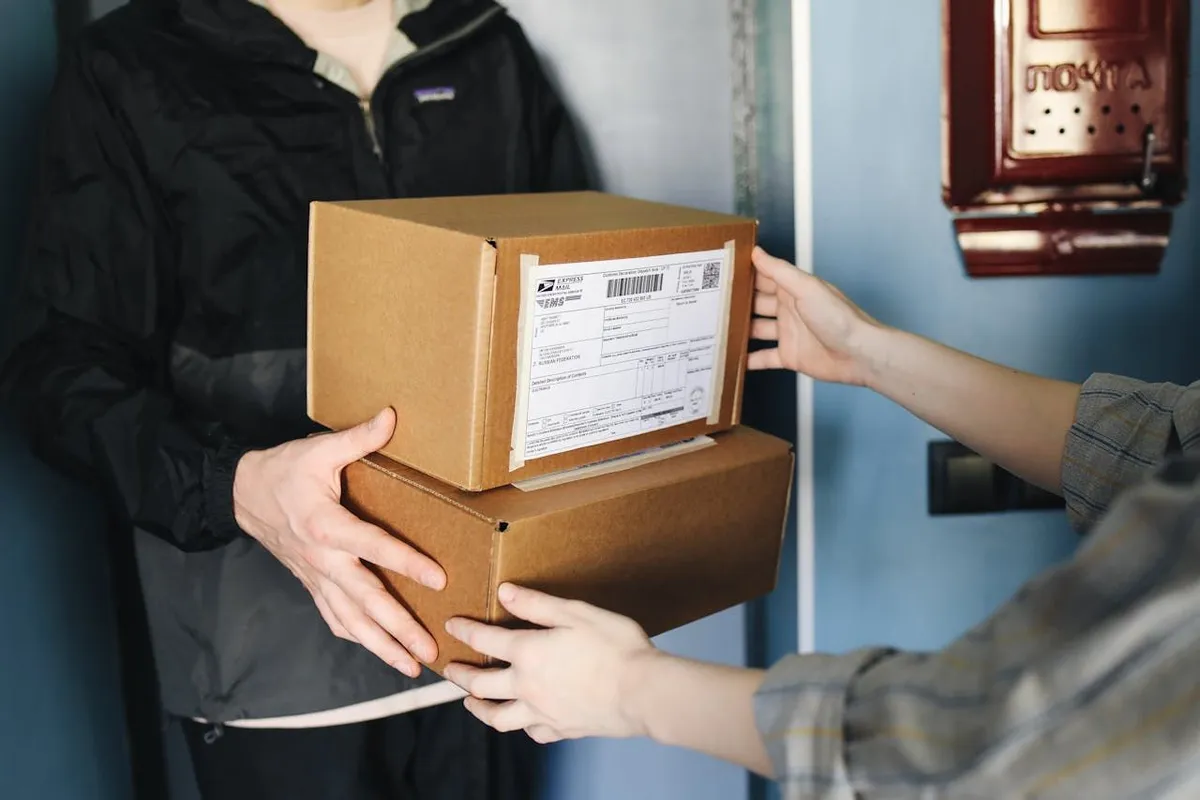
Dropshipping allows ecommerce entrepreneurs to sell products without storing inventory, but managing sales tax across multiple jurisdictions can be a major challenge. This guide explains key obligations for dropshipping businesses and practical ways to stay organised.
Tax thresholds, rates, and certificate requirements change. Treat this article as an educational overview and confirm current requirements with the relevant tax authority.
Dropshipping and Sales Tax
In a dropshipping model, the retailer sells the product while the supplier ships it directly to the customer. Sales-tax responsibilities can depend on the retailer’s location, the customer’s address, the supplier’s fulfilment centre, and applicable state rules.
Economic Nexus: What You Need to Know
The 2018 South Dakota v. Wayfair decision changed how states can impose collection obligations on remote sellers. A business may establish economic nexus when its sales or transaction volume exceeds a state’s applicable threshold, even without a physical presence there.
Thresholds differ by state and may change over time. Do not assume that a general $100,000 or 200-transaction test applies everywhere. Track revenue and transactions by state and register when the applicable obligation begins.
Kintsugi can help businesses monitor nexus and organise registration workflows across states.
Resale Certificates: Your Tax Shield
Resale certificates may allow a dropshipping merchant to purchase products for resale without paying sales tax upfront. Each state sets its own rules for obtaining and using certificates. Some states require a sales-tax permit before a business can claim a resale exemption.
Keep certificates current, complete, and properly associated with the relevant supplier and transaction. Misuse or missing documentation can lead to penalties, interest, or tax charged on the wholesale purchase.
When the supplier has nexus in the customer's state
The rules get more complex when your supplier has nexus in the state it ships to. If you can't give the supplier a resale certificate that state accepts, the supplier may charge you sales tax on the wholesale price, which cuts into your margin. Both you and the supplier should evaluate your own obligations and the documentation each transaction needs, and don't assume the supplier's collection decision settles yours.
How Much Tax Do You Pay in Dropshipping?
Tax obligations vary based on the location and structure of the business, the customer’s location, the products sold, and whether nexus has been established. Potential categories include:
- Sales tax: State and local tax collected from customers where the retailer has a collection obligation.
- Use tax: Tax that may be due when taxable goods are purchased without sales tax and then used, stored, or consumed.
- Income tax: A separate obligation based on the business’s income and tax structure.
- Customs and import taxes: Potential obligations for international shipments, depending on the country, product, and shipment value.
These taxes have different rules and should be evaluated separately. Build them into pricing, along with any tax a supplier charges when resale documentation is missing, so they don't erode your margins.
Starting a Dropshipping Business
Setting up a dropshipping operation involves more than selecting a product and launching a website:
- Choose a product category and understand its taxability.
- Find reliable suppliers and document where fulfilment occurs.
- Set up the ecommerce store and sales channels.
- Monitor sales and nexus by state.
- Register, collect, and file where required.
Kintsugi can integrate with ecommerce systems to help businesses organise registration, collection, and exemption workflows.
How Dropshipping Businesses Operate
After a customer places an order, the retailer purchases the product from a supplier, who ships it directly to the buyer. The retailer avoids inventory costs, but the distributed supply chain can complicate tax analysis.
In the United States, obligations may be triggered by the retailer’s location, the customer’s address, or the supplier’s fulfilment centre. International expansion can add VAT, GST, destination-based rates, and country-specific registration requirements.
Dropshipping Compliance Challenges and Solutions
Dropshippers should consider:
- Where the retailer, supplier, and customer create nexus.
- Which transactions require sales-tax collection.
- How each state treats thresholds and marketplace sales (see marketplace facilitator laws by state).
- Whether a valid resale certificate is available.
- How to report use tax when tax was not collected.
- How cross-border VAT and customs rules apply.
Practical steps include monitoring economic nexus, maintaining valid resale certificates, using automation for multi-jurisdictional reporting, and reviewing tax-law changes.
Why Dropshipping Sales-Tax Compliance Is Crucial
Ignoring registration and collection obligations can result in audits, penalties, interest, back taxes, and damage to customer trust. A clear process for nexus monitoring, product taxability, exemption documentation, and filing helps protect margins as the business grows.
Need Help with Dropshipping Sales Tax?
Dropshipping businesses need to track shifting nexus thresholds, state-specific rates, supplier relationships, resale certificates, and possible international obligations. Kintsugi can support these workflows through nexus monitoring, tax calculation, exemption management, and automated filing.
Book a demo to learn how Kintsugi can help simplify dropshipping sales-tax compliance.
